Best Mobility Scooter Batteries for Canadian Weather
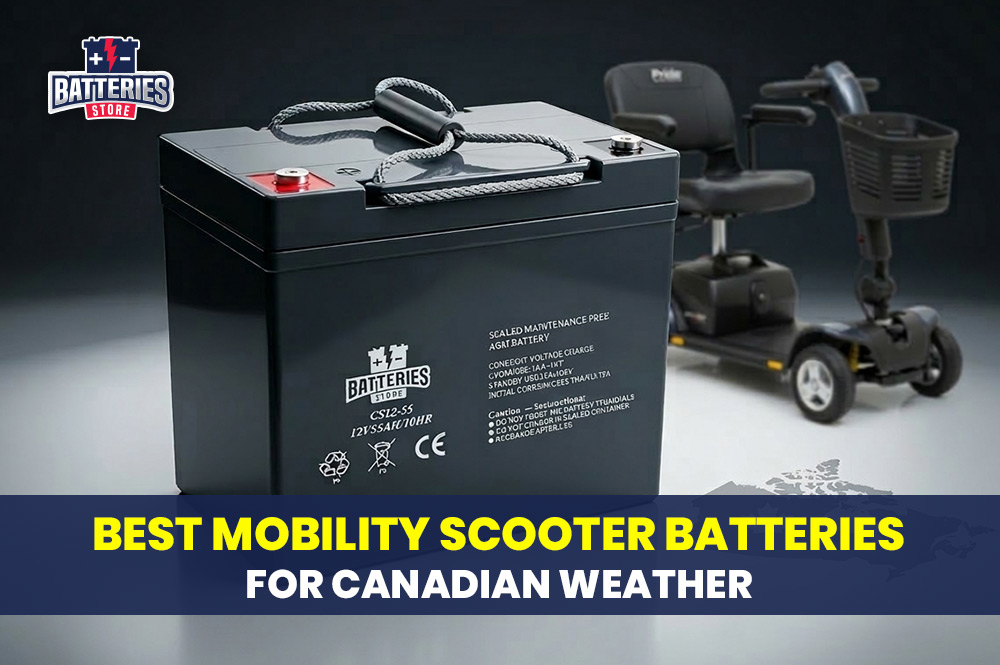
If you own a mobility scooter in Canada, you already know how brutal the winters can be. Temperatures in cities like Calgary, Winnipeg, and Toronto regularly drop well below freezing. This kind of cold puts enormous strain on your scooter's power source. Choosing the right mobility scooter batteries is one of the most important decisions you can make as a Canadian rider.
The wrong battery will fail faster, lose range quickly in cold conditions, and leave you stranded at the worst possible time. However, the right battery will keep you moving safely and independently throughout every season. Whether you use a folding mobility scooter for grocery runs, an enclosed mobility scooter for year-round commuting, or a heavy-duty electric mobility scooter for outdoor adventures, your battery is the heart of the machine.
This guide breaks down everything you need to know about mobility scooter batteries in Canada, from the best battery types for cold weather to expert storage and charging tips that will extend your battery's lifespan.
Why Choosing the Right Mobility Scooter Batteries Matters in Canada
Canada's climate is unique. The country experiences some of the most extreme seasonal temperature swings in the world. A battery that works well in a mild climate may not deliver reliable performance on a -20°C February morning in Calgary or during a damp, salt-laden winter in Vancouver.
Your mobility scooter is more than a convenience; it's your independence. A failing battery means reduced range, sluggish performance, and unexpected breakdowns. Also, replacing a low-quality battery more frequently adds up in cost over time. Therefore, investing in a battery suited to Canadian conditions makes financial and practical sense.
Canadians who use enclosed mobility scooters or fully enclosed mobility scooters for year-round travel need batteries that can handle cold starts, moisture exposure, and longer idle periods during snowstorms. Those who rent out mobility scooters, such as mobility scooter rental services in Toronto and other cities, also need batteries that withstand heavy, repetitive use in variable weather.
How Canadian Weather Affects Mobility Scooter Batteries
Understanding how cold and moisture affect your battery helps you make smarter choices. Canada's winters are not just cold; they are wet, salty, and prolonged. Each of these factors takes a toll on battery chemistry and performance.
Cold Temperature and Battery Capacity Loss
All batteries, regardless of type, lose efficiency as temperatures drop. The chemical reactions inside a battery cell slow down considerably when temperatures fall below 10°C. Below freezing (0°C), these reactions slow even further, causing a noticeable drop in available capacity.
Research shows that battery capacity can drop by 10% to 20% for every 10°C reduction in temperature. On a very cold Canadian winter day at -20°C, a battery that normally gives you 20 km of range might only deliver 12 to 14 km. This is a critical safety consideration for riders who travel longer distances on their electric mobility scooters.
Canadian Weather Tip: Scooter batteries perform best between 15°C and 25°C. Always bring your scooter indoors during extreme cold whenever possible.
Road Salt, Moisture, and Corrosion Risks
Canadian roads are heavily salted during winter. Salt spray and moisture can work their way into battery terminals, charging ports, and electrical connectors. Over time, this causes corrosion that reduces conductivity and can permanently damage battery components.
If you use your scooter outdoors regularly during winter, clean the battery terminals and connections after every ride. A dry cloth and a dab of dielectric grease on the terminals can prevent costly corrosion damage. This is especially important for folding mobility scooters and used enclosed mobility scooters that may have worn seals or older wiring.
Types of Mobility Scooter Batteries Available in Canada
There are three main battery types used in mobility scooters sold in Canada. Each has different strengths and weaknesses, particularly when it comes to cold-weather performance.
Sealed Lead-Acid (SLA) Batteries
SLA batteries are the most common type found in entry-level and mid-range mobility scooters for sale across Canada. They are affordable, widely available, and maintenance-free. However, they are heavy, take a long time to charge (typically 8 to 12 hours), and perform poorly in cold temperatures.
An SLA battery in freezing temperatures can lose a significant portion of its usable capacity. Also, SLA batteries are rated for 12 to 18 months of regular use, meaning you may need to replace them annually if you ride frequently. For riders looking for mobility scooter batteries near them at a low upfront cost, SLA is a reasonable starting point, but it is not the best long-term option for Canadian winters.
Gel Batteries
Gel batteries are an upgraded version of SLA technology. Instead of a liquid electrolyte, they use a thick gel that is more resistant to vibration, temperature changes, and moisture. This makes them better suited to Canadian weather conditions than standard SLA batteries.
Gel batteries last slightly longer than SLA, typically 18 to 24 months, and they handle temperature extremes more reliably. They are non-spillable and considered aircraft-safe, which is useful if you travel with your mobility scooter. For users who ride in all four seasons, a gel battery offers good value without the higher price tag of lithium.
Lithium Iron Phosphate (LiFePO4) Batteries
Lithium Iron Phosphate (LiFePO4) batteries are the top-performing option for Canadian riders. They are significantly lighter than lead-acid alternatives, often weighing about 55% less for the same energy output. They also deliver consistent power throughout the discharge cycle, meaning your scooter will not slow down as the battery drains.
For cold-weather performance, lithium batteries outperform both SLA and gel options. Some LiFePO4 batteries are rated to operate as low as -29°C, making them ideal for places like Winnipeg, Edmonton, or northern Ontario. Their lifespan is also dramatically longer, typically three to five years or more with proper care.
The main drawback is cost. Lithium batteries have a higher upfront price. However, over the life of the battery, the cost per charge cycle is often lower than SLA or gel alternatives. For daily riders who depend on their electric mobility scooter year-round, the investment pays off.
Best Mobility Scooter Batteries for Canadian Weather: A Comparison
The table below summarizes the key differences between the three main mobility scooter battery types to help you choose the right one for Canada's climate:
| Feature | SLA Battery | Gel Battery | Lithium (LiFePO4) |
| Cold Performance | Poor | Moderate | Best |
| Weight | Heavy | Heavy | Lightest |
| Lifespan | 12-18 months | 18-24 months | 3-5+ years |
| Charging Speed | Slow (8-12 hrs) | Moderate | Fast (4-6 hrs) |
| Cost (Upfront) | Lowest | Moderate | Highest |
| Best For Canada | Indoor/light use | All-season use | Year-round outdoor |
For most Canadian riders who use their scooter year-round outdoors, a Lithium Iron Phosphate battery is the top recommendation. However, a gel battery offers a solid balance of performance and affordability for those who ride primarily in milder conditions or bring their scooter indoors during winter.
What to Look for When Buying Mobility Scooter Batteries in Canada
Not all mobility scooter batteries are created equal. When shopping for a replacement or upgrade, keep the following factors in mind to ensure you get the best fit for Canadian conditions.
Battery Voltage and Amp-Hour (Ah) Rating: Most mobility scooters use a 12V or 24V system. The Ah rating determines how far you can travel on a single charge. A higher Ah rating means more range. Always match the voltage to your scooter's specifications.
Cold Weather Rating: Check the manufacturer's temperature operating range. For Canadian winters, look for batteries rated to at least -20°C for discharge. This is especially critical if you plan to ride in Calgary, Manitoba, or other cold regions.
Compatibility With Your Scooter Model: Not all batteries are drop-in replacements. Check the physical dimensions (group size, such as U1 or 22NF) and terminal type before buying. Many LiFePO4 batteries are designed as direct replacements for SLA units.
Warranty Length: A longer warranty reflects manufacturer confidence. Look for at least a one-year warranty on SLA and gel batteries and longer coverage on lithium options.
Availability in Canada: Ensure the battery is available for purchase or fast shipping within Canada. Searching for mobility scooter batteries near me is a good start, but online Canadian battery retailers like BatteriesStore.ca offer a wider selection with national shipping.
How to Care for Your Mobility Scooter Batteries in Cold Weather
Even the best battery will fail prematurely without proper care. Canadian winters demand specific habits to protect your battery's health and maximize its lifespan.
Proper Storage During Winter Months
One of the most important rules is to never store your mobility scooter or its battery in an unheated garage or outdoor shed during Canadian winters. Uninsulated garages in cities like Calgary or Winnipeg can drop to -30°C overnight. These temperatures can cause permanent damage to battery cells, particularly in SLA and gel types.
The ideal storage temperature for mobility scooter batteries is between 10°C and 21°C. A heated indoor space, such as a utility room, hallway, or living area, is the best option. If your scooter must stay in a garage, remove the battery and bring it inside.
Storage Tip (SLA/Gel): Store at full charge. Top up every two weeks during long-term storage to prevent deep discharge damage.
Storage Tip (Lithium LiFePO4): Store at 40% to 60% state of charge. Avoid storing at 100% or below 20%. Recheck and recharge monthly.
Smart Charging Habits for Cold Climates
Never charge a cold battery directly after bringing it in from the cold. Allow the scooter or battery to warm up to room temperature for at least one hour before connecting the charger. Charging a frozen or near-frozen lithium battery can cause permanent damage to its cells.
Always use the manufacturer-approved charger for your specific battery chemistry. SLA, gel, and lithium batteries all require different charging profiles. Using the wrong charger can overcharge, undercharge, or damage your battery. Charge in a well-ventilated space at room temperature (ideally 15°C to 25°C).
For daily riders, charge after every outing, even if the battery is not fully depleted. For occasional users, charge every one to two weeks to prevent self-discharge damage. Both SLA and lithium batteries self-discharge over time, even when sitting idle. Mobility scooter manufacturers like Pride Mobility recommend topping off every two weeks during storage periods.
Signs Your Mobility Scooter Battery Needs Replacing
No battery lasts forever. Knowing the warning signs of a failing battery helps you replace it before you are left stranded.
Watch for a noticeable reduction in range on a full charge. If your scooter used to travel 20 km and now struggles to reach 10 km, the battery is losing capacity. Also pay attention to slower speeds, particularly on hills or inclines. A weak battery cannot deliver the peak power that your motor needs for demanding terrain.
Other signs include a battery that takes significantly longer than usual to charge, or one that runs down within a few hours of a full charge. Visible corrosion or swelling on the battery casing is also a red flag that immediate replacement is needed. Most SLA and gel batteries last 12 to 24 months, while lithium batteries can last three to five years or more with proper care.
Where to Buy Mobility Scooter Batteries Near You in Canada
Finding quality mobility scooter batteries in Canada is easier than ever. Local medical supply stores and pharmacies sometimes carry basic SLA batteries, but the selection is often limited. For a wider range of options, including lithium upgrades and specialty batteries for enclosed mobility scooters or fully enclosed mobility scooters, online Canadian retailers are the better choice.
BatteriesStore.ca is a Canadian-based online battery retailer offering a wide selection of mobility scooter batteries shipped across Canada, including to cities like Toronto, Calgary, Vancouver, Ottawa, and Montreal. Whether you are searching for a standard SLA replacement, a high-performance gel battery, or a lithium LiFePO4 upgrade, you can find the right match for your scooter model and budget.
For mobility scooter rental businesses in Toronto and other major cities, bulk purchasing and fast shipping options make it easy to keep rental fleets powered and ready. Always verify compatibility with your specific scooter model before ordering.
Conclusion
Choosing the right mobility scooter batteries for Canadian weather is about more than just picking the cheapest option. It is about matching your battery's capabilities to your climate, your riding habits, and your budget. For most Canadian riders, particularly those in colder provinces or those using an electric mobility scooter year-round, a Lithium Iron Phosphate battery offers the best combination of cold-weather performance, long lifespan, and lightweight convenience.
Whatever battery type you choose, proper storage and smart charging habits are essential. Keep your battery warm, charge at room temperature, and never let it fully discharge during long winter storage periods. These simple habits can add months or even years to your battery's life.
Ready to find the perfect battery for your mobility scooter? Explore BatteriesStore.ca for Canada's best selection of mobility scooter batteries, with fast shipping to Toronto, Calgary, Vancouver, and beyond.
Frequently Asked Questions
How long do mobility scooter batteries last in Canadian weather?
SLA batteries typically last 12 to 18 months with regular use. Gel batteries can last 18 to 24 months. Lithium LiFePO4 batteries last three to five years or more when properly cared for. Cold weather and improper storage can shorten lifespan significantly.
Can I use my mobility scooter in winter in Canada?
Yes, but with precautions. Use a battery with a good cold-weather rating (at least -20°C), store the scooter indoors, warm up the battery before riding, and charge at room temperature. Always allow extra time for your battery to warm up before heading out on cold mornings.
What is the best battery type for an enclosed mobility scooter in Canada?
A Lithium Iron Phosphate (LiFePO4) battery is the best choice for fully enclosed mobility scooters used year-round in Canada. It delivers better cold-weather performance, longer lifespan, and lighter weight compared to SLA or gel options.
How do I know if my mobility scooter battery is compatible?
Check your scooter's manual for the required voltage (typically 12V or 24V), Ah rating, and battery group size (such as U1 or 22NF). Many LiFePO4 batteries are designed as drop-in replacements for existing SLA batteries. If unsure, contact the retailer or manufacturer for guidance.
Where can I find mobility scooter batteries near me in Canada?
You can shop online at BatteriesStore.ca for fast Canada-wide shipping. Local medical supply stores may also carry basic options, but online retailers offer a broader selection and better pricing for both individual buyers and mobility scooter rental businesses.